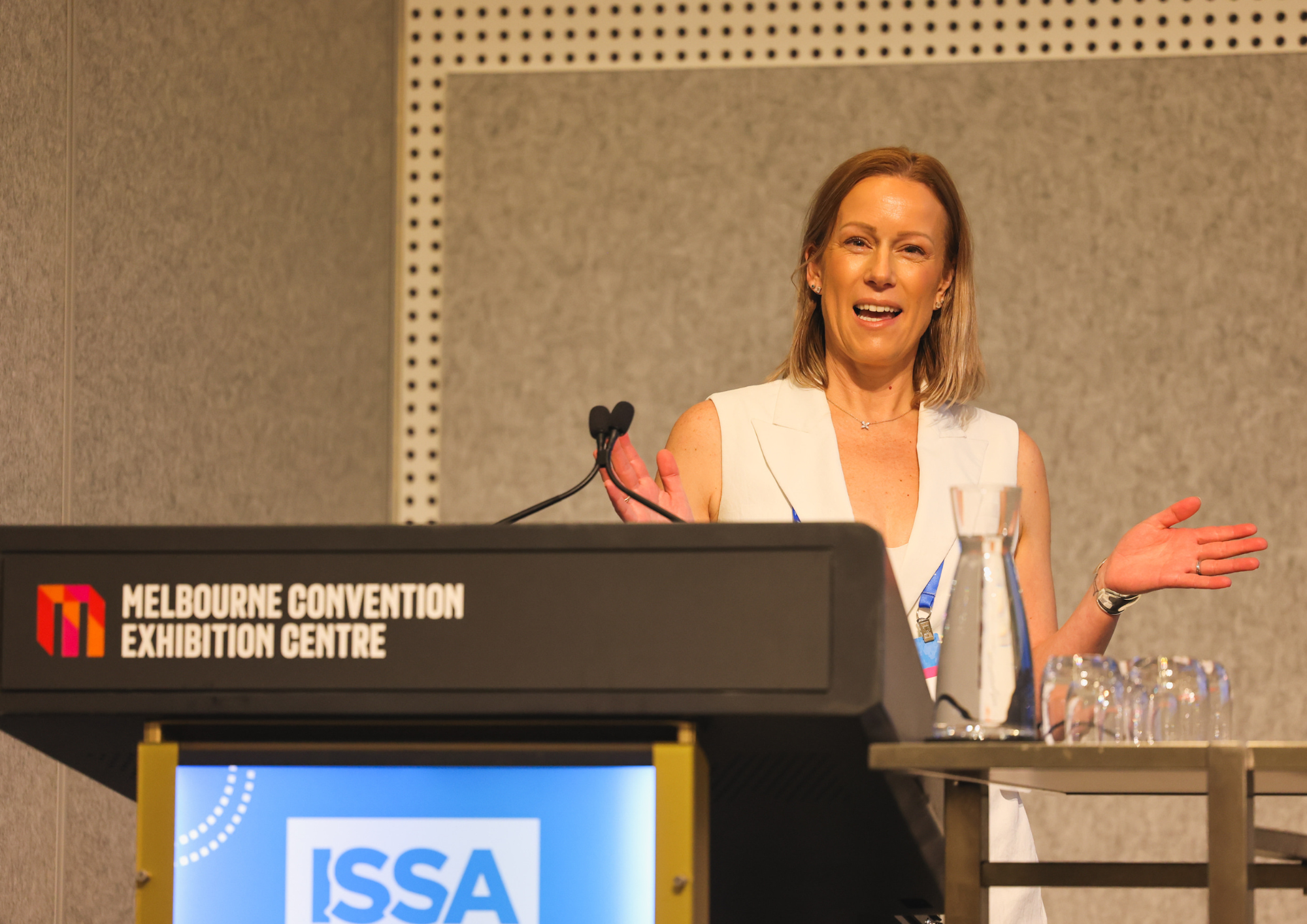
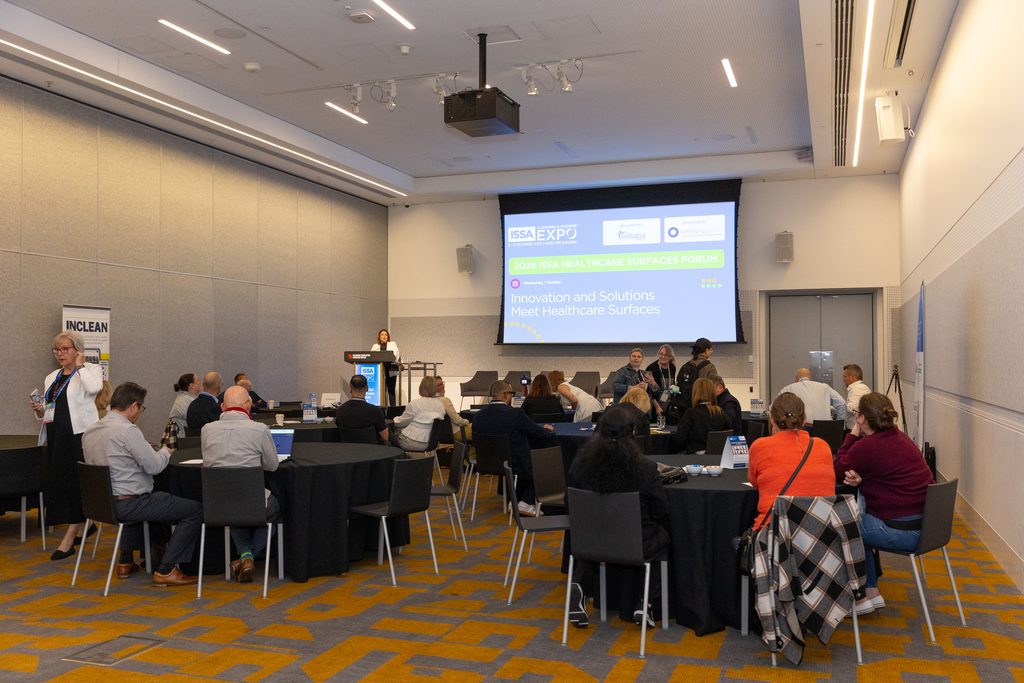
Liz Orr, manager of the Infection Prevention and Surveillance Service at the Royal Melbourne Hospital, delivered the first presentation at the ISSA Healthcare Surfaces Forum in Melbourne on 7 October 2026 and placed cleaning teams at the centre of patient safety. “We cannot get our work done, we cannot do surgery, we cannot do care unless we have our cleaners,” Orr said.
Australian hospitals record approximately 165,000 healthcare associated infections each year, which affects about 7 percent of patients. Orr argued that environmental hygiene deserves more respect than the word ‘housekeeping’ suggests. “Environmental hygiene is a patient safety intervention,” she said, explaining that cleaning removes soil and organic matter by mechanical action, while disinfection kills or inactivates microorganisms. “You can’t disinfect a dirty surface,” Orr said. Two-in-one detergent disinfectants shorten the process, and her team has committed to them because simple routines lift compliance.
She also pointed to a randomised, controlled trial linked to researcher Brett Mitchell as proof that better cleaning delivers results. Participating hospitals added three hours of daily cleaning for shared equipment such as infusion pumps, IV poles and commode chairs, trained their staff, audited the work with fluorescent marking gel and gave cleaners regular feedback, and healthcare associated infections dropped. “They didn’t introduce any new technology,” Orr said. “All they did was improve cleaning and what you’re actually supposed to be doing in the first place.”
Contact time decides the outcome
Orr urged buyers to question every product claim, and she asks suppliers whether the product appears on the Australian Register of Therapeutic Goods, which organisms the testing covered, whether the results came from clean or dirty conditions and what contact time applies. The Therapeutic Goods Administration requires a six-log reduction for sporicidal claims, and Orr focuses on products that defeat tough targets such as Clostridioides difficile spores. “I’m more interested in the things that are harder to kill, because I know that product will do as intended,” she said.
A surface must stay wet for the full period printed on the label, and a single application has to cover the entire period because topping up midway cannot rescue the result. “If it dries in about 20 seconds, and the contact time on the packet says one minute, well, then that doesn’t actually work,” Orr said.
Laboratory conditions also differ from hospital wards. In a UK study, Orr outlined a case where clinical and cleaning staff prepared 27 chlorine solutions, and just 32 percent reached the target of 1000 parts per million. Weak solutions leave pathogens alive, while strong ones corrode the plastics in modern medical equipment.
When Orr selects products, she weighs efficacy, safety, practicality, regulatory compliance and sustainability. “Efficacy is my number one target,” she said, leaving delegates with a clear takeaway. “The best disinfectant is the one that cleaning workers can apply to the right standard every day.”