With COVID-19 lockdown and quarantine measures slowly lifting, facilities are reopening to a new normal. Heightened expectations of cleanliness and hygiene are creating unique challenges for building service contractors (BSCs) and facility management companies.
If customers expect BSCs and facility management companies to provide staff who will adhere closely to public health practices, you must demonstrate the required competency. The right training is undoubtedly one of the key levers to ensure your staff are modelling new behaviours correctly and consistently.
Training critical to your success
Implementing enhanced cleanliness, and all the other associated public health measures, requires some behavioural change for your staff. Therefore, providing correct training while ensuring staff are clear about expectations is critical.
With consumer surveys showing high concern about COVID-19 infection, it suggests organisations that demonstrate a commitment to public safety – and as a result a renewed emphasis on training – can potentially perform better.
With the public looking for a safer experience – they may gravitate toward facilities that show a higher level of commitment as lockdown is eased.
Changing practices
Once you have made an assessment of how you’re going to implement public health interventions, you have to determine what behavioural changes you expect of your staff.
The changes to their regular practices are likely to be significant, such as social distancing from fellow workers and other persons in the facility.
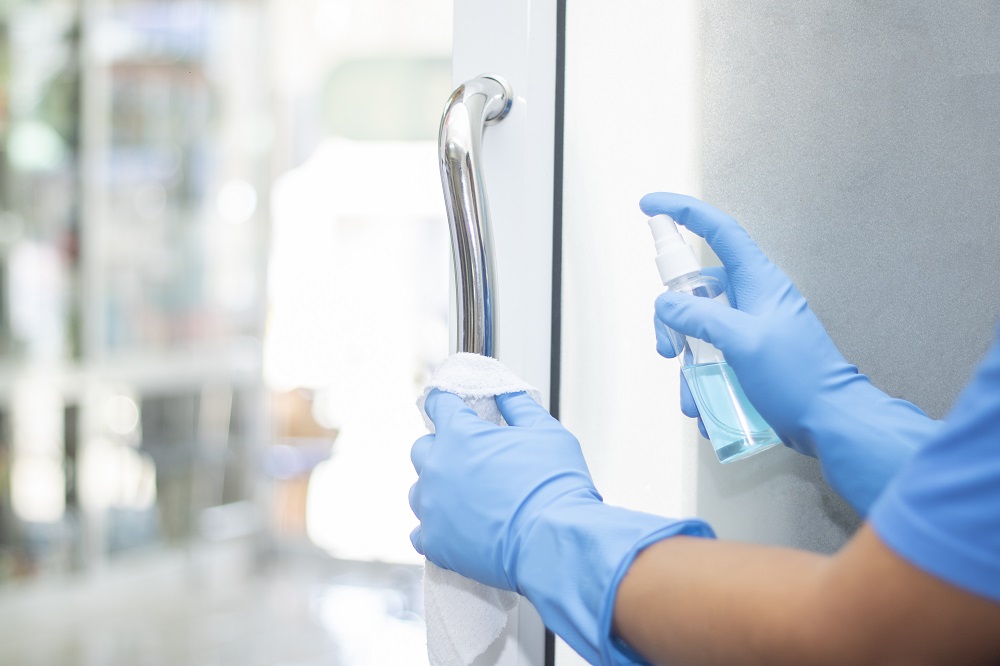
A new hygiene schedule may require the cleaning of communal areas or high-touch surfaces multiple times with risk determined by traffic. This creates a difference in working patterns for all concerned – both staff and management – which can potentially cause confusion.
Recommendations for effective training
Consider the following best practices for your training program:
- Avoid inconsistency
New workers have an adjustment period with the expectation they can assimilate quickly. When it involves establishing new cleaning procedures, it makes it much harder for staff. It is crucial to ensure that staff understand requirements with a standard set of rules.
Language is also a factor. Many employed in cleaning are not fluent in the language of the country in which they work, so your task may be complicated by language barriers. Therefore, ensuring training involves graphical icons or visual demos and videos can be helpful, especially when trying to make any initial changes.
- Select the right training partner
Choosing the right training partner is crucial. Select a partner who supplies the core requirements to reopen, including: cleaning methods, wallcharts and basic training videos; as well as printed checklists and self-audits. This gives your staff reassurance on the products involved and how to use them effectively. Consider partnering with your product supplier if they have a global reputation of knowledge and expertise.
- Create a reference point
In this new scenario for managers, learning at the same time as teaching is very difficult. The absence of your usual reservoir of experience on a subject can create a knowledge gap. Rely on trusted hygiene experts for recommendations and reassurance. This ensures your plans reflect the nuances of how you operate, while incorporating what is said by the leading global public health authorities.
- Consider e-learning
The convenience of in-depth modules of e-learning training in a single and searchable platform enables staff to achieve meaningful certification on cleaning methods, processes, products and procedures. It is also ideal for training a large workforce without the expense of traveling and aligning everyone’s schedules.
- Prioritise flexibility and feedback
Because the situation is constantly evolving, establishing an ongoing communication process for training staff is key. It ensures that when changes occur, they do so with less disruption than when reliant upon a one-off training event.
Managers should also assume employees may not get everything right the first time. Constructive feedback helps employees continually improve and encouraging workers to raise concerns about best practices helps troubleshoot any issues.
- Incorporate competency methods
Managers and trainers should conduct practical evaluation to ensure staff fully grasp training. Institute a competency-based evaluation for every new practice. For example, provide mask training with someone who is experienced and who can provide feedback on the correct usage.
Competency-based training changes in the new normal when you start to include performance metrics around practices like hand hygiene, wearing masks, social distancing and disinfection of high-touch surfaces. This creates an ability to differentiate your services around meeting new standards of clean.
- Incorporate auditing and certifications
An auditing tool will help you compile and interpret key metrics. Expert support in implementation provides a third-party external view on compliance, while accreditation gives credence to cleaning procedures and quality of results. Certification conveys that staff are trained according to the highest professional cleaning standards and products by a highly reputable partner.
- Use procedural
For any procedure to become standard behaviour, reinforcement must take place. Studies point to this cycle of reinforcement as necessary to implement and internalise new behaviours. In the short-term, staff are more likely to do these practices, however, the biggest challenge to a one-off event is that practices can slide back. Therefore, management must show a commitment to hold staff accountable.
Benefits of the right training
If your brand is associated with how your hygiene level is perceived, then there are advantages in achieving a more consistent performance of core behaviours.
As practices change, more variations in employee performance can creep in. Training programs are designed to teach staff to do tasks in a standard way to reduce risks, avoid variations and present the best perspective to customers.
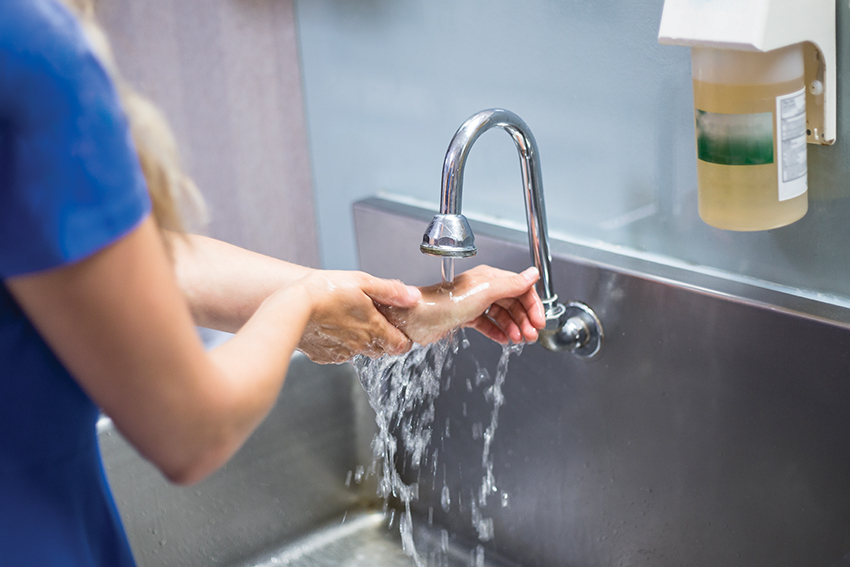
Training can also reinforce the importance of worker wellbeing. The expectation is that employees won’t turn up to their jobs when sick, as this could potentially spread COVID-19 to colleagues and their families.
Creating a culture that evolves around health further helps negate the initial costs of training by improving productivity and reducing employee absenteeism. Employees who are better able to enforce hygiene practices may become better brand ambassadors and drive repeat business.
Peter Teska is global infection prevention application expert, Diversey
Comment below to have your say on this story.
If you have a news story or tip-off, get in touch at info@3.106.117.80.
Sign up to INCLEAN’s newsletter.