Words: Tracey Broers
When an athlete became unwell during a recent HYROX competition and continued across shared equipment, the images travelled faster than any incident report ever could. It was unusual, confronting and very public. But the underlying risk was not unusual at all.
Where thousands of people gather, bodily-fluid incidents are foreseeable. Vomit, blood, urine and faecal matter can arise at sporting events, concerts and festivals. Heat, exertion, illness, alcohol and crowd density increase the likelihood. The surprise should not be that an incident occurs, but that a team has no agreed way to respond.
Large events also behave differently from normal venue operations. Participants keep moving, spectators film everything, and shared equipment can spread contamination from one station to the next. Even a routine cleaning schedule assumes the environment will largely stand still, but a live event never does.
Where biohazard belongs
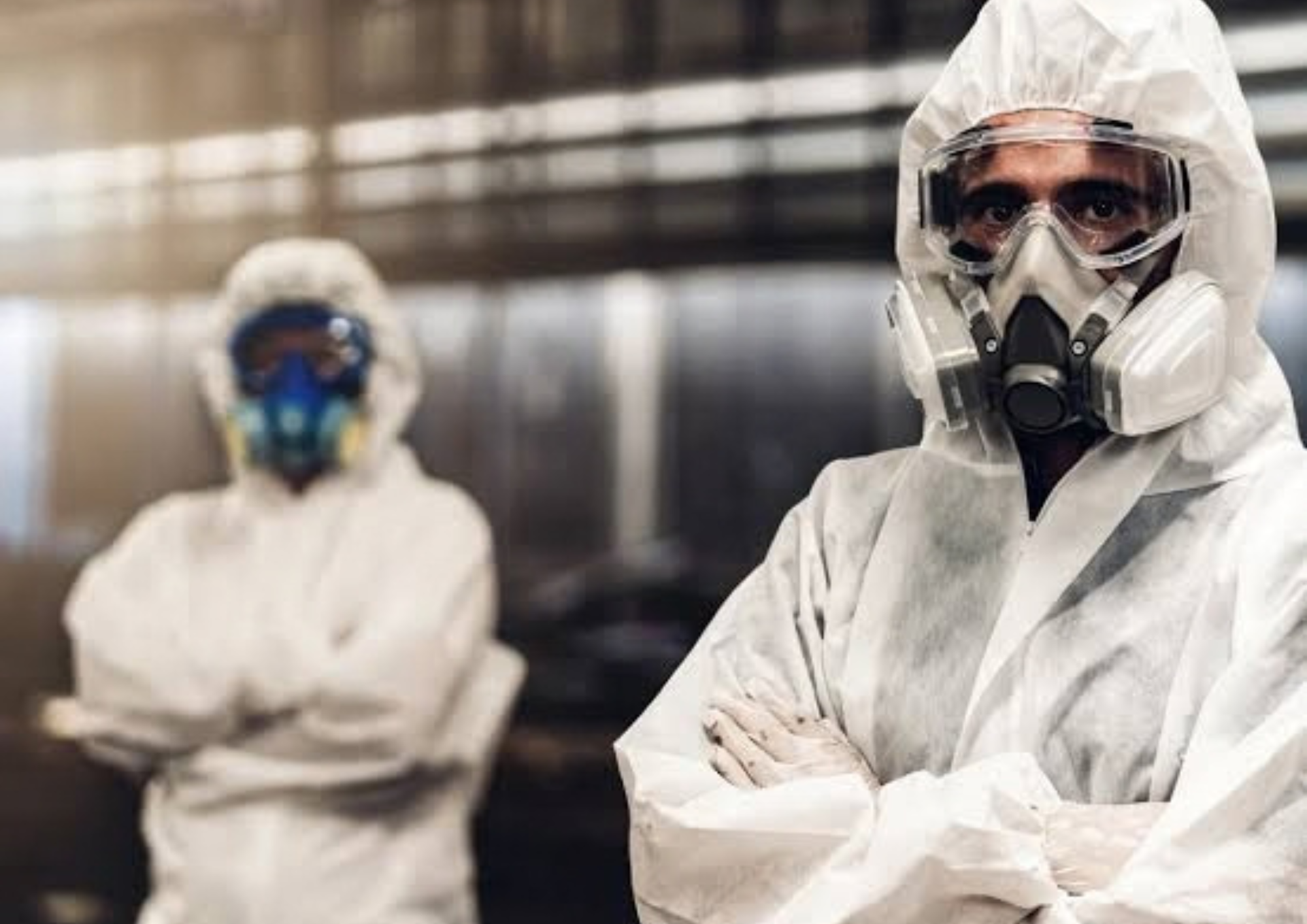
That is why biohazard response belongs in the event risk assessment and incident plan, not in a footnote to the cleaning roster. SafeWork NSW’s event guidance already directs organisers to consider risk management, emergency and incident planning, contractor coordination, communication, first aid and waste. Its new Managing the Risks of Biological Hazards at Work Code of Practice, which commenced in July 2026, expressly recognises human biological material, including faeces, as a potential workplace hazard. It also provides practical guidance on isolating contaminated areas, suitable PPE, spill kits, cleaning and disinfection, training and reporting.
For operators, the practical question is not simply, ‘How quickly can someone clean this?’ It is, ‘How quickly can the whole event system recognise, contain and resolve it?’
Clear the communication path
A workable plan should identify who can pause an activity or withdraw a participant, who secures the area, who supports the affected person respectfully and who calls the trained response team. Suitable spill kits and PPE must be close enough to use, not locked in a distant storeroom. Shared surfaces and equipment should remain out of service until they have been cleaned, disinfected where required and released safely.
Teams also need a simple communication pathway so officials, medical staff, security, venue management and cleaners are not making separate decisions in the moment.
This is also reputation management in real time. The public will often judge an organisation less for an unexpected incident than for a slow, confused or insensitive response. Protecting dignity matters alongside protecting health; neither is helped by improvisation or public spectacle.
No plan can predict every awkward moment. It can, however, give frontline teams the authority, equipment and confidence to act quickly. At a major event, cleaning is not the final task after the incident. It is part of the control system that keeps the event moving safely.
Tracey Broers is Group General Manager Risk at SKG Services, a national commercial cleaning, maintenance and security services company that celebrates its 50th anniversary this year.