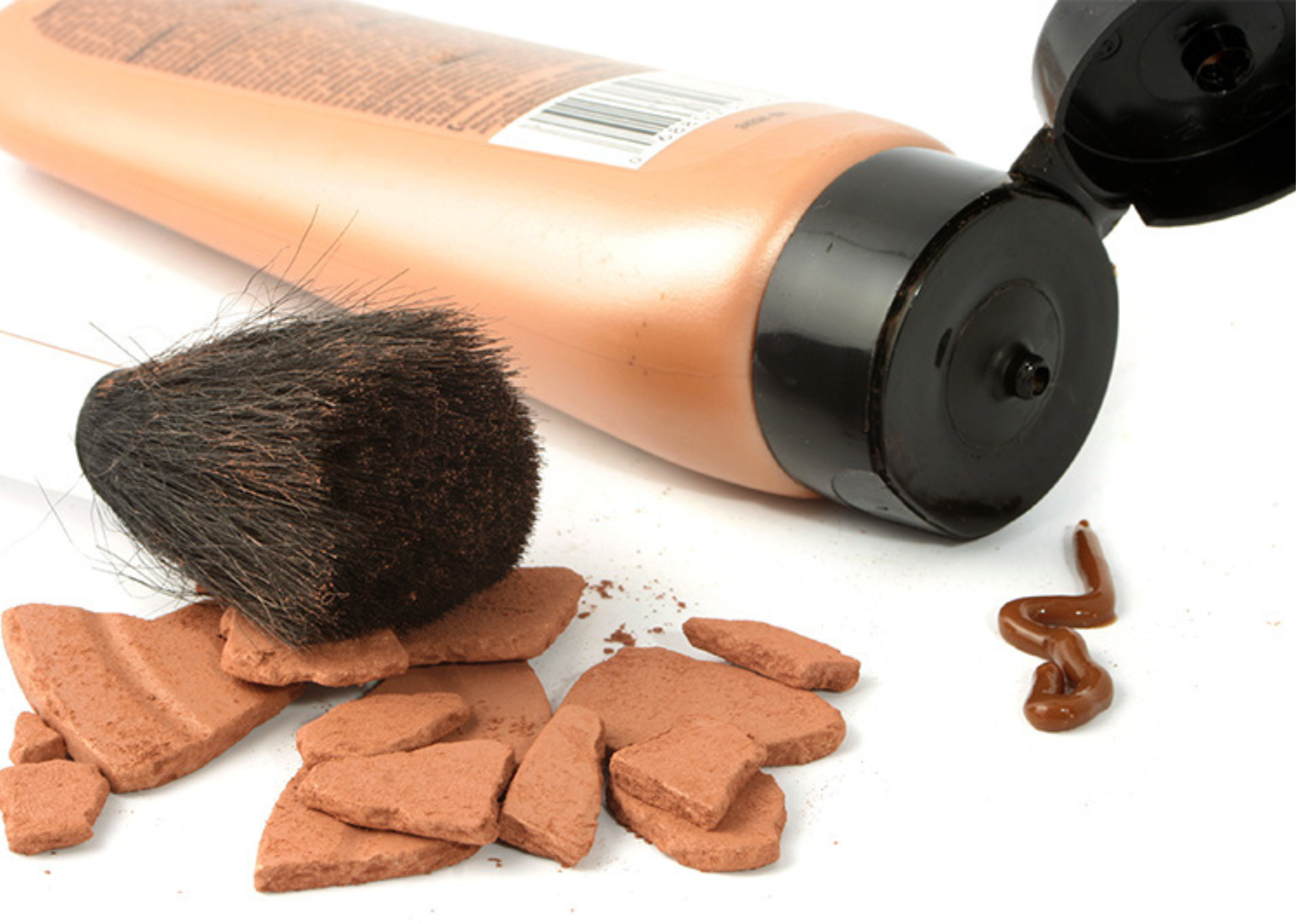
As self-tanning lotions and sprays move from an occasional pre-holiday treat to a genuine year-round habit in some circles, cleaning technicians find themselves being called out to deal with the bronze or orange marks that follow a dropped bottle, a careless application or a towel left on the floor before the product has dried. By the time a professional arrives on the scene, the homeowner has already tried lemon juice or dish soap, with limited success.
What causes the staining
Most self-tanning products contain dihydroxyacetone (DHA), a colourless sugar that reacts with amino acids in the skin’s outer layer to produce a brown pigment, and that same reaction happens on carpet fibres. Combined with bronzing pigments, oils and fragrance carriers, a spill leaves a technician with three problems at once: a chemical stain, a pigment stain and a greasy residue holding it all in place. Because DHA continues developing colour for hours after contact, a mark that looked pale at first can darken considerably by the time an appointment is booked days later.
Why home remedies fall short
Baby wipes and mild dish soap can lift some marks when used immediately, and acid-based treatments such as lemon juice or vinegar occasionally help with surface soiling, but none of these methods break the bond between DHA and protein in the fibre. The result is often a lighter but still visible shadow, one that can reappear more strongly within a day or two as oxidation continues beneath the surface.
A two-stage approach works best
Technicians should begin with a fibre identification test and a spot check for colourfastness, then treat the surface layer with a solvent-based prespray or citrus-based degreaser applied to a white cloth and tamped, not scrubbed, to lift the oils and bronzer without pushing the DHA deeper into the pile. Blot and extract before treating what remains with an oxidising agent, generally the better starting point over a reducer since DHA-related discolouration behaves more like an organic stain. A hydrogen peroxide-based spotter, left to dwell for several minutes and checked regularly, will usually remove the remaining pigment, though full removal can take more than one application.
Hot water extraction is essential to close out the job, since any residual spotting chemistry left in the pile will keep working after the technician leaves. Self-tanning stains are also prone to wicking, so weighting a stack of white absorbent towels over the spot for several hours afterwards catches this migration.
Some stains, particularly those left untreated for a week or more, are permanent, and flagging this before accepting the job keeps expectations realistic, leaving clients satisfied with a significant improvement instead of a false promise.
A longer version of this article was first written by Jeff Cross for Cleanfax.