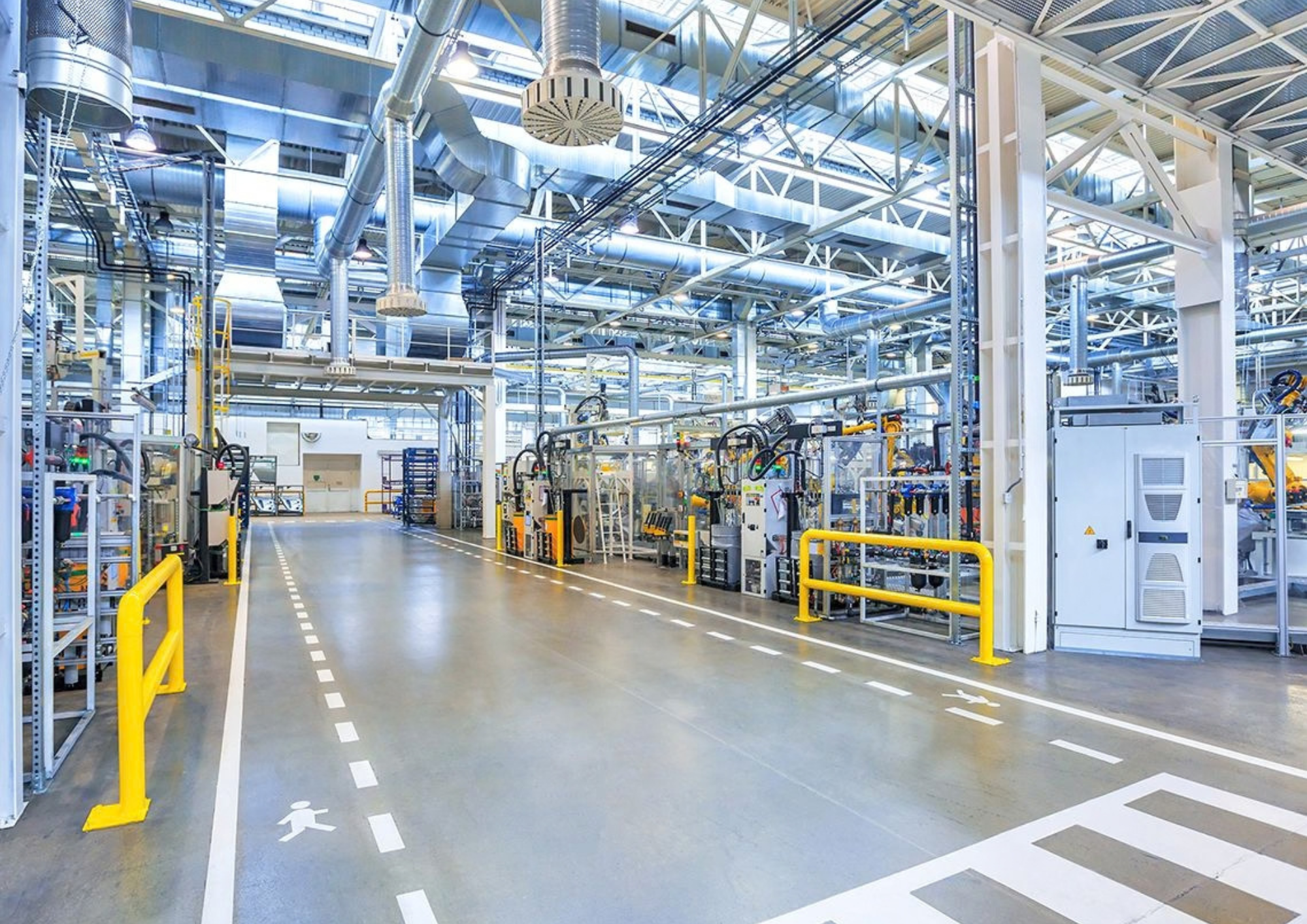
Facility managers who oversee warehouses, manufacturing plants, logistics hubs and distribution centres across Australia share a common challenge, because every site demands a cleaning program that matches the realities of the building and the people working inside it. An office-style clean falls short under forklift traffic, heavy dust and round-the-clock production, so the selection process deserves the same scrutiny as any other operational contract.
Four factors shape the cleaning requirements at most industrial sites, and the first is size and scope. A single warehouse contains loading docks, racking, workshops, production floors, amenities and, in some cases, a front office – and each zone collects dirt in a different way.
The second factor is traffic and activity, since forklifts, pallet jacks, delivery trucks and staff share the same floor space throughout the day, which means crews must plan their movements around live operations to avoid creating new hazards.
The third factor is heavy-duty cleaning, with dust, grime and spills accumulating at pace on industrial floors and calling for mechanical scrubbers, industrial vacuums and purpose-built equipment matched to each surface. Safety is the fourth factor, because cleaners work around machinery, vehicles and chemicals, so training in PPE (personal protective equipment) requirements, chemical handling and safe movement near forklifts must form part of every task in transport depots, pharmaceutical facilities, manufacturing plants and packaging operations.
Planning the clean around live operations
Associated Cleaning executive general manager Troy Stahlhut says the schedule must fit the facility, and the process begins with a walk-through. “Before we lock anything in, we walk the site with the operations lead and work out when each area is actually free,” Stahlhut says. Pick waves, dock schedules, crew changeovers and shutdowns create those windows, and each zone receives its clean inside its own window.
Skipping that planning creates two problems: the first is a safety risk that lands on both the provider and the site. “Cleaners end up working in live forklift areas, which is a safety risk the provider and the site share under the WHS Act,” Stahlhut says. The second develops over several weeks, as production pressures squeeze cleaning out of the day and standards. decline.
“Dust builds up on racking, wet floors appear in aisles and before long you’re paying to fix problems instead of preventing them,” he says.
Training, supervision and evidence at tender
Stahlhut also notes location of training as a differentiator between capable industrial teams and general commercial teams. “Training needs to be site-specific: traffic management, chemical handling, ride-on equipment and heights or confined spaces where the site needs it,” Stahlhut says. Equipment follows the same logic. “Equipment has to suit the floor and the type of dust, and it has to be maintained so it’s reliable,” he adds.
Tenders tend to overpromise on supervision, according to Stahlhut. Most sites cannot place a supervisor on every crew, and that includes overnight work, so the real test is how oversight continues in a supervisor’s absence. “What matters is how oversight continues when they’re not there,” he says. A trained leading hand who can stop work when something looks wrong forms the first layer. Mobile supervisors who make unannounced visits, nights included, form the second, and digital records of completed work form the third.
Auditing practice and managing change
Without question, consistent inspections reveal what a one-off visit misses, which is why Stahlhut backs joint inspections scored by the same method on every visit, tracked over months.
Most providers audit the result of the clean, a habit that locks in a cycle of repeat problems. “Audit the outcome and you’ll keep fixing the same problems. Audit the practice and you fix the cause,” Stahlhut says. A practice audit covers chemical storage, equipment condition and adherence to procedures, as well as the look of the floor on the day.
Change on-site demands the same discipline. A new production line, extended operating hours or an altered layout all alter the cleaning task, and the provider should raise each one before the site has to. The provider reassesses the risks, updates the SWMS (safe work method statement), retrains the team and agrees the new scope with the site. Stahlhut expects that sequence from any provider.
Ten practical questions give managers a reliable way to test these capabilities during tender and contract review, and the answers reveal more than a quoted price does. The first two cover how the provider schedules cleaning around live operations and how it trains cleaners for industrial environments, while the third and fourth ask which equipment the team will use and who supervises on-site.
The fifth and sixth address how the provider inspects and measures quality and how it reports, resolves and follows up on issues. The seventh and eighth examine how routine and periodic work sit together and what reporting the business receives, and the final two ask whether the provider can hold one standard across multiple sites and how the program adapts when operational requirements change.
A provider that answers each question with specific examples from comparable sites has earned a place on the shortlist, and managers who apply this framework protect both their people and their productivity.